
Large language models are changing how developers build applications, create content, and solve problems. To use them effectively, you need to understand three important ideas: LLM tokens, context windows, and prompt engineering.
This guide explains everything in simple terms with practical examples so you can start using these concepts right away and get better results at lower cost.
What Are LLM Tokens?
LLM tokens are the small pieces of text that language models read and create. They are not always the same as full words. A common word might count as one token, while a longer or rare word can split into two or three tokens. Spaces and punctuation also count as tokens.
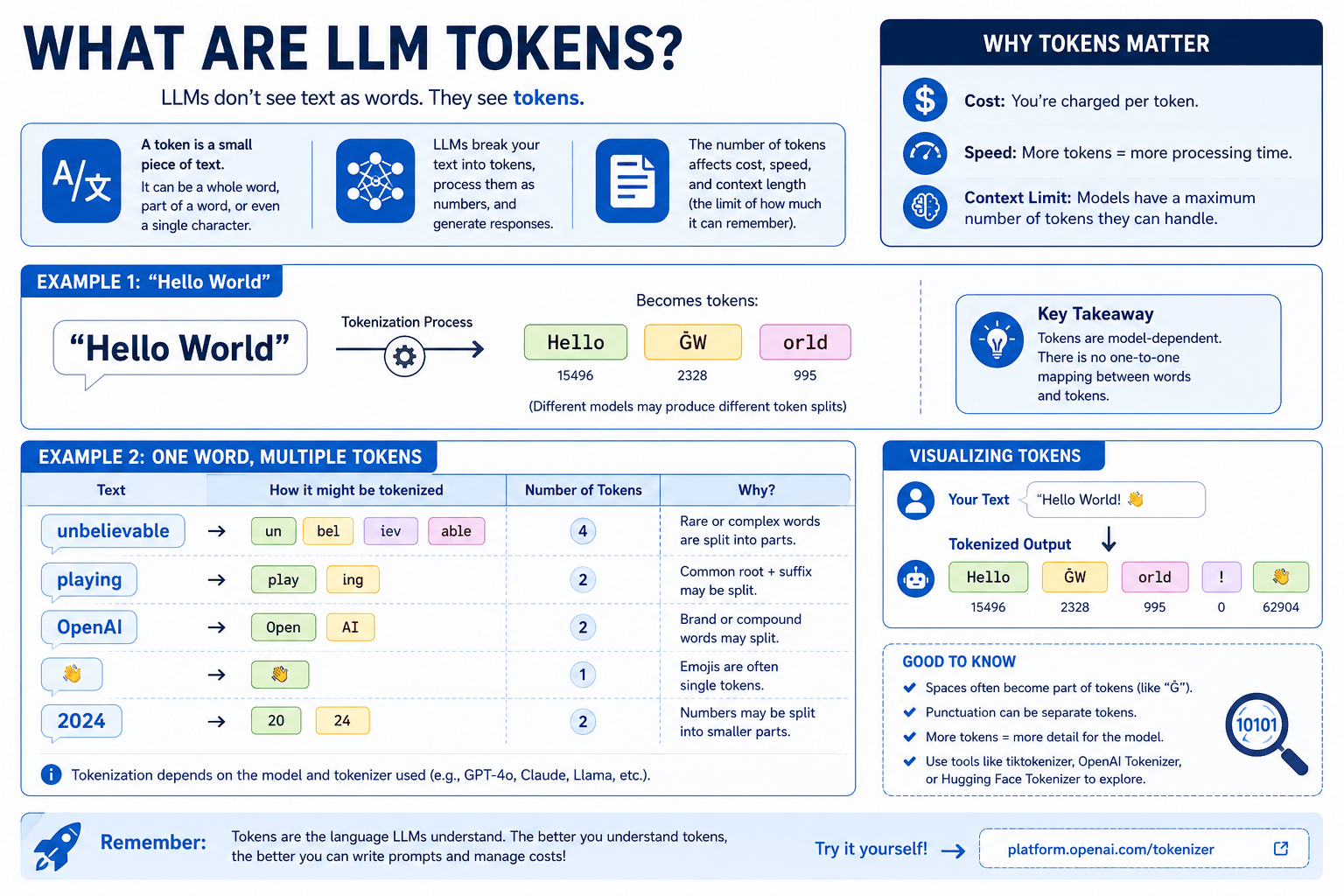
Every time you send a request or receive an answer, you pay based on the number of tokens used. Understanding tokens helps you write prompts that are clear and cost efficient.
What Are Context Windows?
The context window is the total amount of information a model can consider at one time. It includes your current prompt and the conversation history.
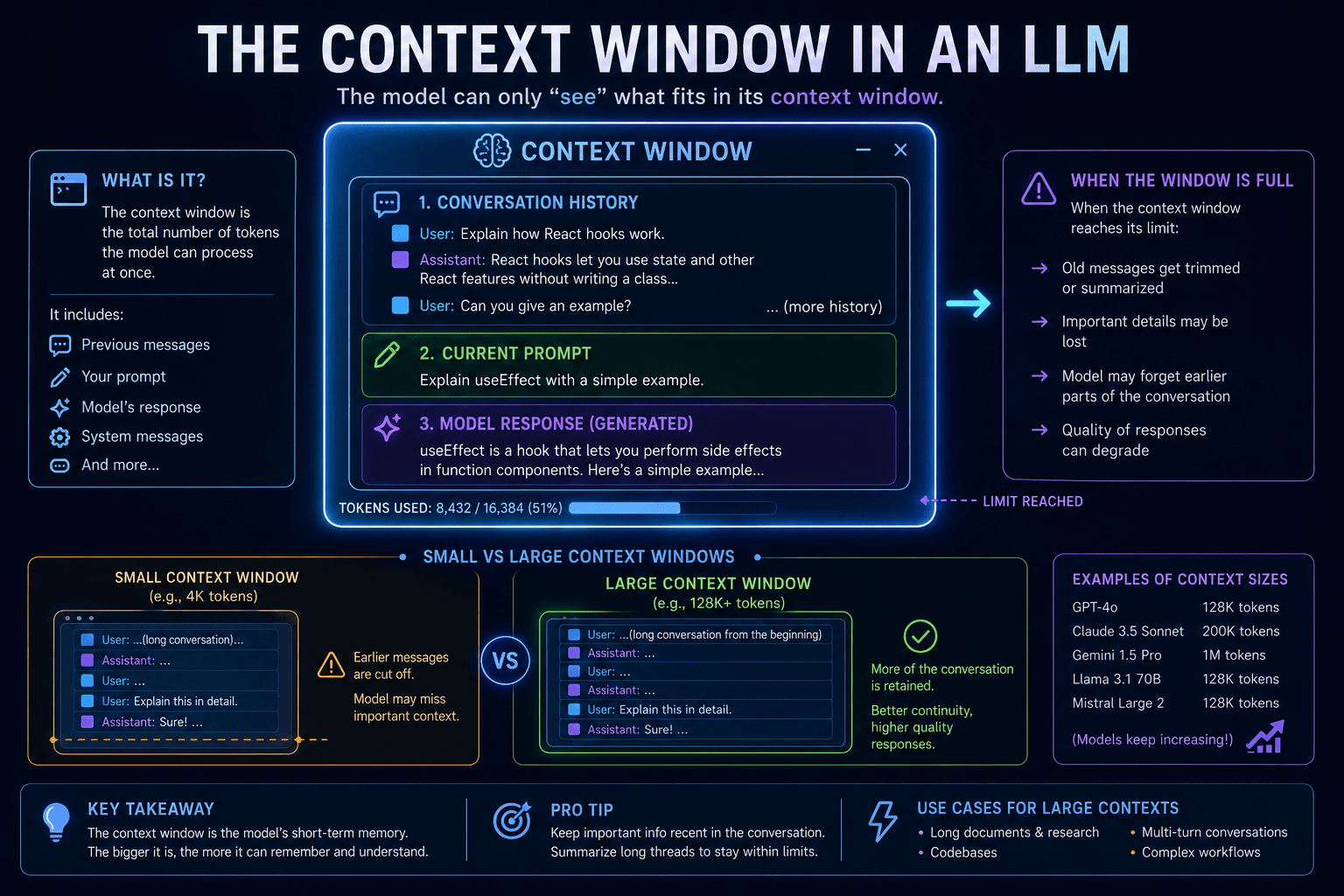
Modern models have much larger context windows than before, sometimes handling hundreds of thousands of tokens. However, using a very large window increases costs and can sometimes reduce focus on the most important details. The goal is to give enough context without adding extra information that is not needed.
How LLM Tokens and Context Windows Work Together
Tokens fill up the context window. If your prompt is too long, you reach the limit faster and spend more money.
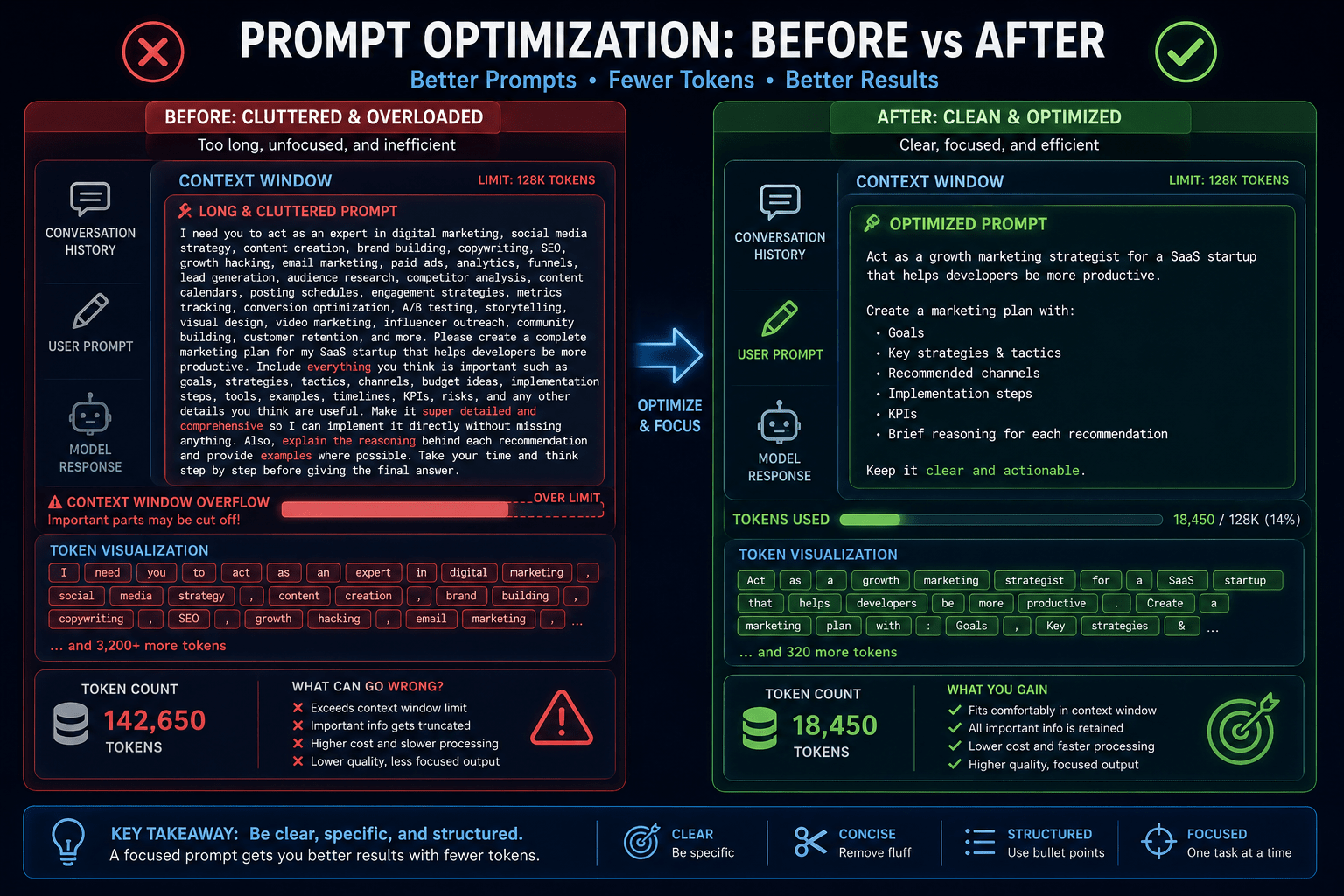
Good practice is to keep only the most useful information and place the most important details near the end of your prompt. This helps the model pay better attention to what matters most.
The Art and Science of Prompt Engineering
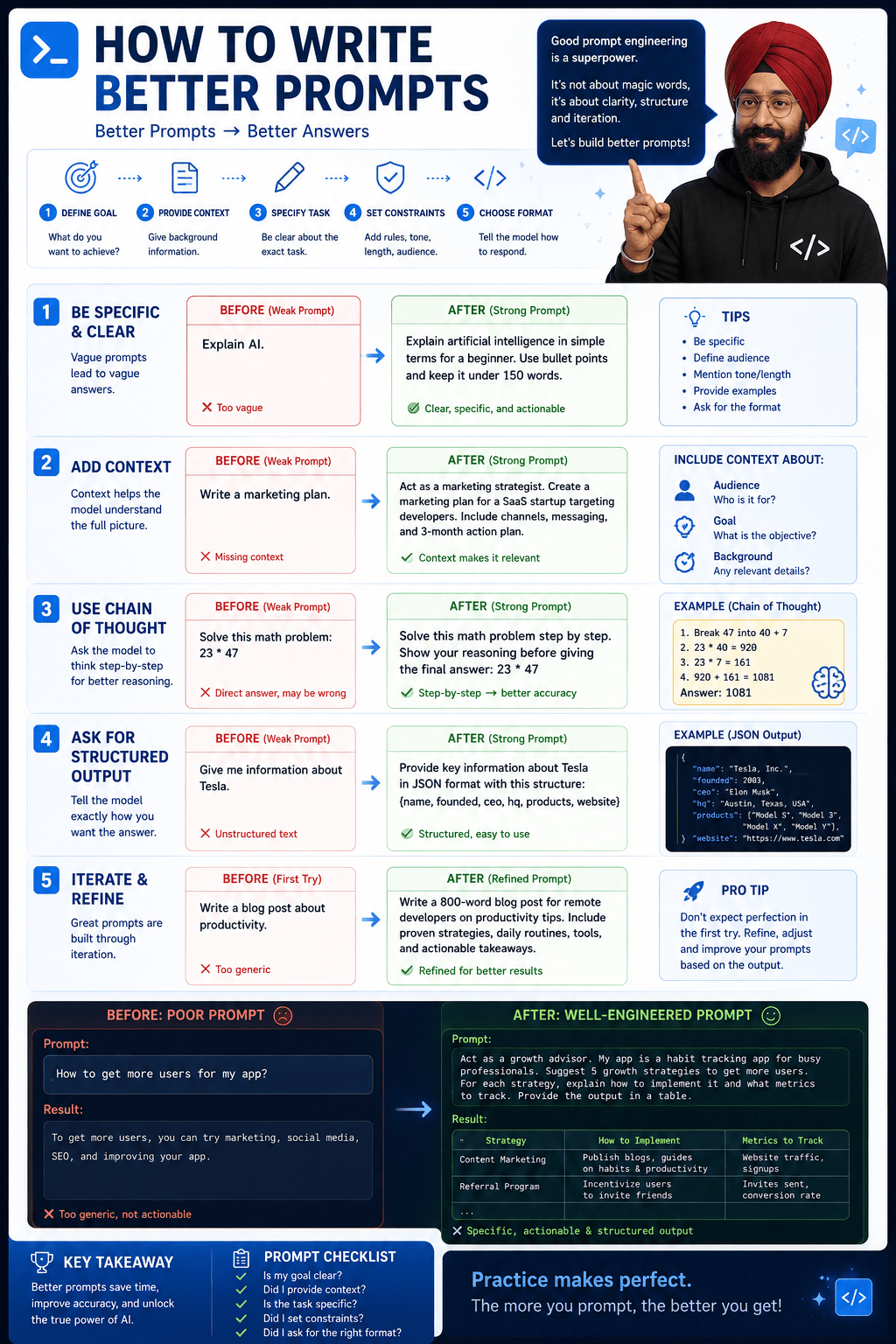
Prompt engineering means writing clear instructions so the model gives you the exact result you want. Small changes in how you write a prompt can lead to much better answers.
Start with these simple rules:
- Be specific about the task you want completed.
- Give short, clear examples when needed.
- Tell the model exactly how you want the answer formatted.
- Keep your instructions short and direct.
Useful Prompt Engineering Techniques in 2026
Many developers use these proven approaches:
- Ask the model to think step by step before answering (this is often called chain of thought).
- Request answers in a structured format such as lists, tables, or simple code blocks.
- Assign a clear role to the model, for example “act as an experienced senior developer reviewing code”.
- Combine multiple techniques and test what works best for your project.
Practical Tips for Developers
- Begin with short and simple prompts, then add more details only if needed.
- Try different models for different tasks. Smaller models can give excellent results for simple work at much lower cost.
- Build your own collection of effective prompts that you can reuse and improve.
- Always check the number of tokens your prompt uses before sending large requests.
Common Mistakes and How to Avoid Them
Many people write prompts that are too long or repeat the same instructions. Others forget to specify the length or format they want.Take a moment to review your prompt before sending it. Removing unnecessary parts often improves both quality and cost.
Frequently Asked Questions
What is the best way to reduce costs with LLM tokens?
Focus on shorter prompts, enable prompt caching when available, and use clear output instructions. Small changes can reduce usage by thirty to sixty percent in many cases.
How large should my context window be?
Use only as much context as needed for the task. Extra information increases costs and can sometimes make answers less accurate.
Is prompt engineering still important in 2026?
Yes. Good prompting remains one of the most effective ways to get reliable results and control expenses.
Which models handle tokens and context best?
Different models have different strengths. Test a few options for your specific use case.